
Ice boom installation delay sends heavy ice down Niagara River
January 8, 2026 at 3:29 AM


Large sheets and chunks of ice moved down the Niagara River along Fort Erie’s waterfront this week after work on the Lake Erie-Niagara River ice boom was delayed by severe weather in late December.
 Credit: Andrew Hawlitzky | Fort Erie Radio
The delay followed a period of extreme weather in Fort Erie, with gusts reaching up to 110 km/h along the Lake Erie shoreline on December 29.
The windstorm also caused significant damage to Point Abino Road from erosion along the lakefront.
 Credit: Andrew Hawlitzky | Fort Erie Radio
“Installation of all spans of the Lake Erie-Niagara River ice boom is not complete yet,” said Joanne Craig, water resources engineer with Environment and Climate Change Canada.
Craig told Fort Erie Radio that regional weather conditions “from mid-December to the start of January, including persistent high winds, created unsafe working conditions for NYPA (New York Power Authority) crews attempting completion of the final phase of the ice boom installation involving connection of the boom pontoon strings.”
According to Craig, work on the ice boom resumed on Monday and has been steady throughout the week.
The floating steel boom has been installed annually since 1964 to help form a stable ice arch at the lake outlet and limit large ice runs into the Niagara River. Those ice runs can increase the risk of ice jams, shoreline damage and disruptions to hydroelectric generation.
 Credit: Andrew Hawlitzky | Fort Erie Radio
Installation can begin when Lake Erie water temperatures at Buffalo reach 4 C or on December 16, whichever comes first.
For this season, installation was scheduled to begin as early as December 14, once water temperatures reached the threshold.
Ownership and costs for the boom are shared by Ontario Power Generation and the NYPA. The New York agency is responsible for installing, operating and removing the boom, while both utilities must comply with Canadian and U.S. regulations.
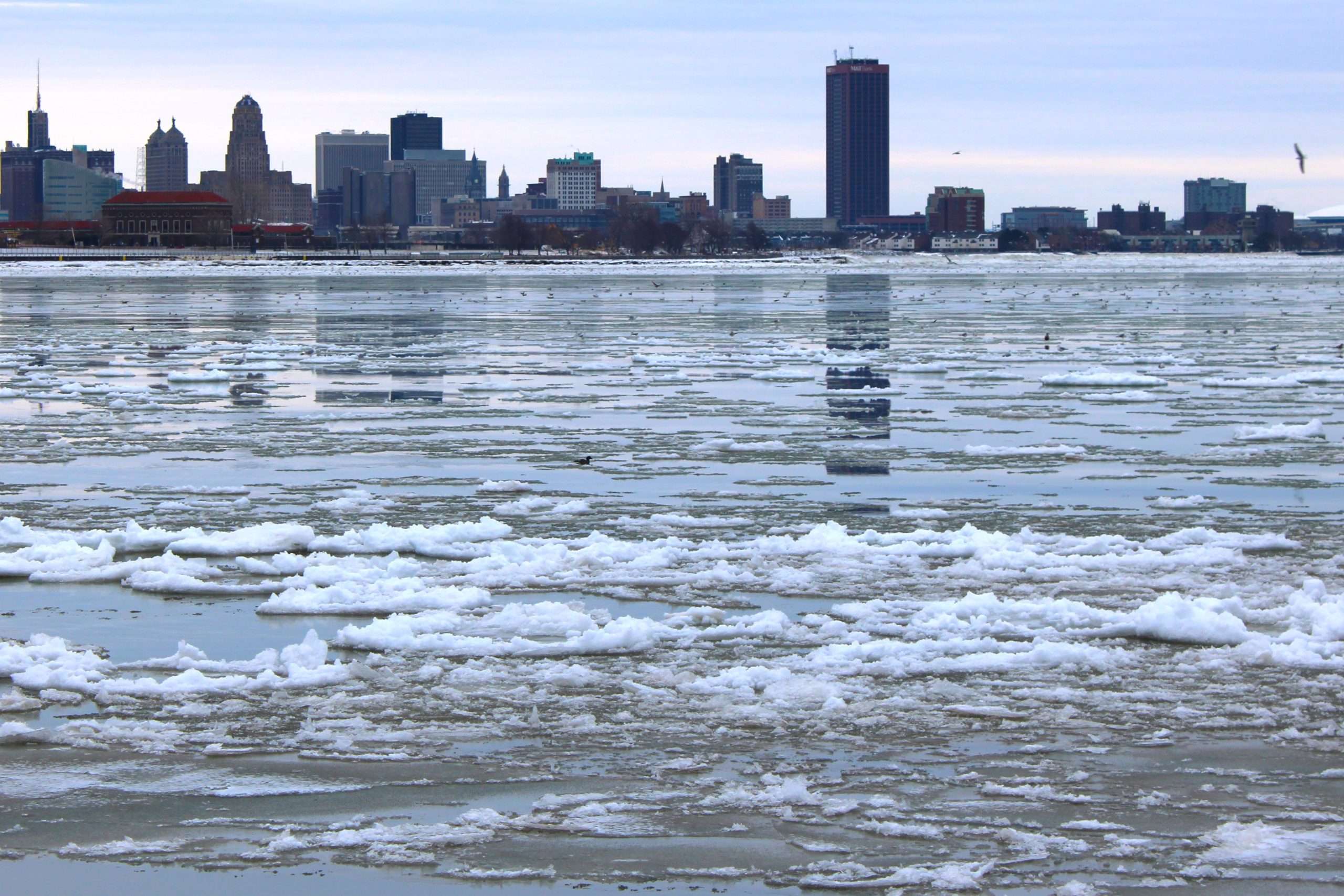 Credit: Andrew Hawlitzky | Fort Erie Radio
The ice boom is designed to submerge during periods of high wind-driven ice pressure, allowing ice to pass over it before resurfacing once conditions ease.
It does not block the flow of water from Lake Erie into the Niagara River.
Under international approval rules, the boom must be removed by April 1 unless heavy ice cover remains on eastern Lake Erie. Decisions on removal are made later in the season based on ice and weather conditions.

Peace Bridge to glow green for Runaway Prevention Month

Happy Days animal sanctuary seeking volunteers

Niagara Health staffing cuts raise concerns over local urgent care
About The Author

Andrew Hawlitzky
Andrew is a Niagara community journalist who has covered everything from local politics to annual festivals and breaking news. He works to make local news a platform where community voices lead the conversation. "If you don't like the news, go out and make some!"

Stay Informed