
Burial site order leaves Niagara Parkway housing project in limbo
January 28, 2026 at 3:57 AM


A burial site investigation order issued in November 2024 is still blocking a planned housing project at 237 and 253 Niagara Parkway, and owner Stuart Wright says Ontario officials have not answered his requests to take over the investigation.
Wright told Fort Erie Radio the delay has left the fenced waterfront property inactive while costs mount and the source of the remains remains unresolved.
The order was issued after human remains were uncovered on the site in 2024 in 31 loads of soil delivered there as part of grading work tied to the Peace Bridge truck scanning project.
The province and the registrar responsible for the Funeral Burial and Cremation Services Act have not replied to his letters sent in November 2024, December 2024, and June 2025; his latest attempt for resolution was sent last week.
“We’re kind of at a dead end. From a provincial level I’ve had no response, no cooperation, no collaboration,” said Wright.
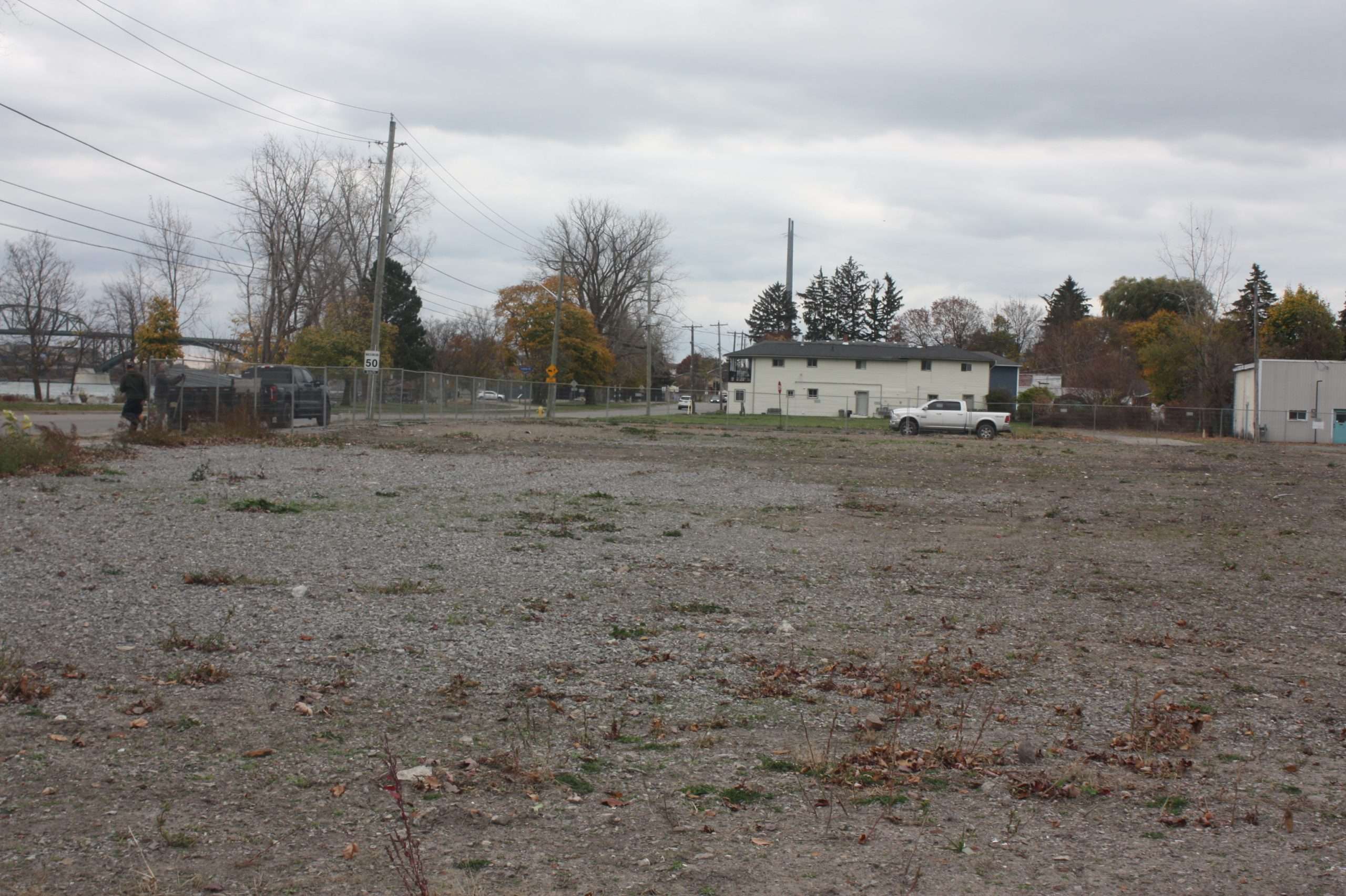 A photo taken in November 2024 of the property on Niagara Parkway where human remains were found. Credit: Kris Dubé
Wright says he has raised the issue with MPP Wayne Gates, Mayor Wayne Redekop and CAO Chris McQueen, and he says town hall has tried to help identify a path to get the province to respond.
Last week, Wright says he was told Gates’ office planned to send a letter to the ministry to ask that the file be expedited.
“I was trying to do the right thing and it hasn’t got me anywhere,” said Wright.
The first step is for the province to assume control of the burial site investigation because the scale and cost are beyond what his development company can take on without risking the project. He estimates 31 loads of imported material, about 600 tons, would need to be sifted to locate and identify remains or artifacts and to determine where they came from.
“The act says if it creates an undue financial hardship, the ministry can take over. But I’ve made that request three or four times,” said Wright.
The investigation could take from several months to a year according to Wright and could cost from $500,000 to $2 million, depending on how long crews need to work and what safeguards are required. Wright has already spent about $50,000 on holding and legal costs, including fencing he says costs $2,500 a month to rent and legal help he sought in Toronto.
The two Niagara Parkway parcels sit near the Niagara River and are in an area where Fort Erie has been directing new housing toward existing services and transit routes. The town’s official plan allows for medium density residential development there and he had expected to be in planning and approvals when the order arrived.
“You could have 40, 50, 60, even 70 residential units sitting there right now for people to live in,” said Wright.
Wright and his partner Dave Gianfrancesco had already completed a stage one, stage two and stage three archaeological assessment before the imported soil arrived in 2024, and those studies did not flag issues on the property. He says that is why he believes the remains were not originally on the site and came in with the fill.
In November 2024, the Buffalo and Fort Erie Public Bridge Authority did not confirm the remains came from the Peace Bridge work zone but said it would co-operate and act responsibly if a link is proven.
The same report said the Office of the Chief Coroner confirmed the remains were human and there was no foul play, and that responsibility for next steps was handed to the registrar under the provincial burial law.
Wright has also met with First Nations groups involved in the case and respects the need to protect culturally significant remains, but he questions why early urgency of protecting possible surface artifacts from weather and disturbance has not translated into action on the ground, with no investigation underway.
“If this is so culturally significant, why are they just letting it sit there and flounder?” said Wright.
Wright says he still has not been told what was found or where on the property it was first spotted, details he says he asked for because the order requires him to protect the site while also keeping up with basic property standards. The situation has left him stuck between agencies and unsure who is responsible for advancing the investigation.
For now, the property remains under the burial site investigation order and he is still seeking a formal response from the registrar or ministry on how to apply for a provincial takeover under the act and what documentation Ontario requires to take that step.

‘Lots of issues’ to be addressed in Fort Erie, says Gates
New health inspection report rules in Niagara have people asking questions

Salvation Army getting Fort Erie students ready for school year
About The Author

Andrew Hawlitzky
Andrew is a Niagara community journalist who has covered everything from local politics to annual festivals and breaking news. He works to make local news a platform where community voices lead the conversation. "If you don't like the news, go out and make some!"

Stay Informed