
Ridgeway’s fallen still denied a place in Books of Remembrance
June 2, 2026 at 10:16 AM


A Niagara historian warned Sunday that soldiers killed at the Battle of Ridgeway remain shut out of Canada’s official military memorial system, 160 years after their deaths helped push Canada toward confederation.
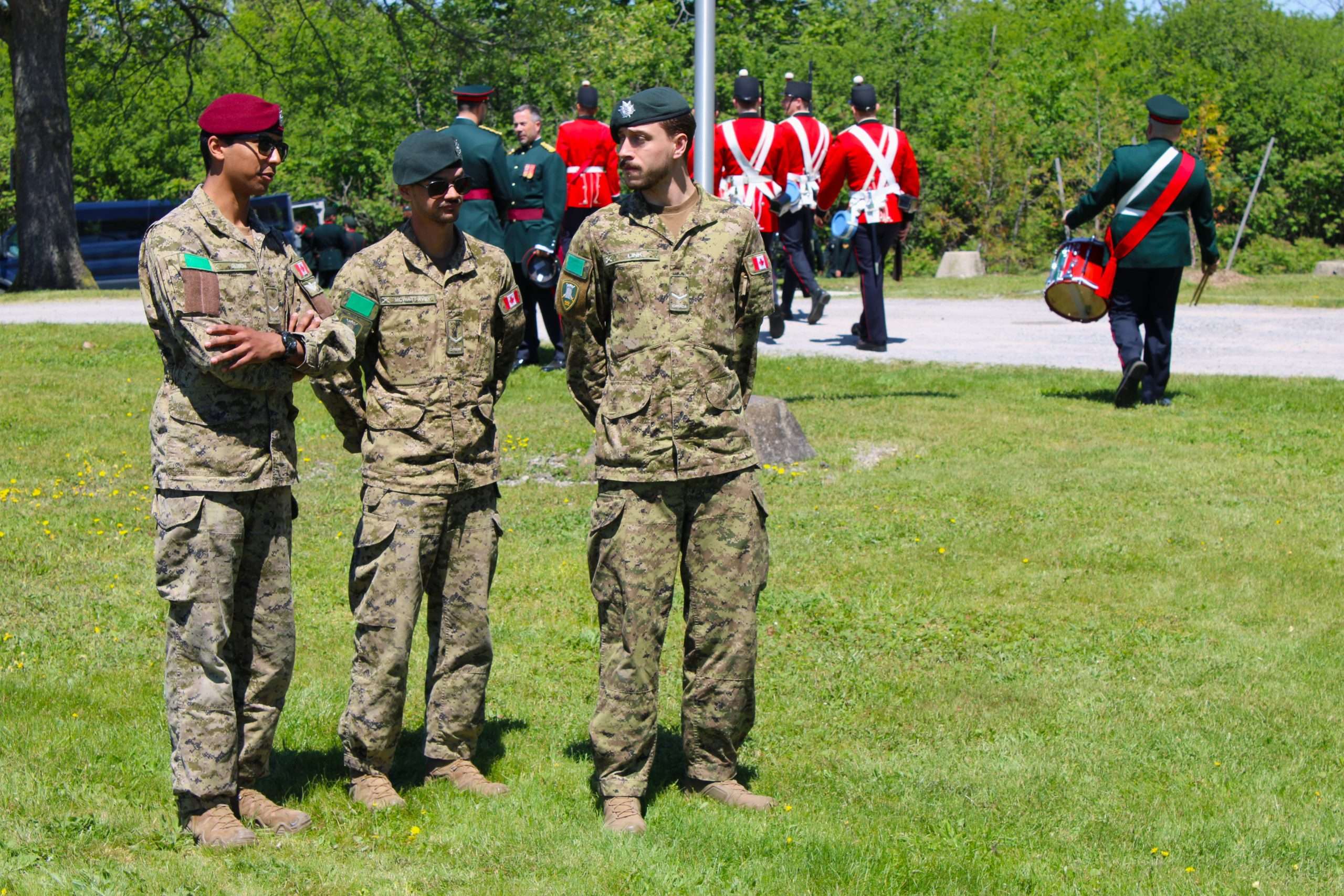
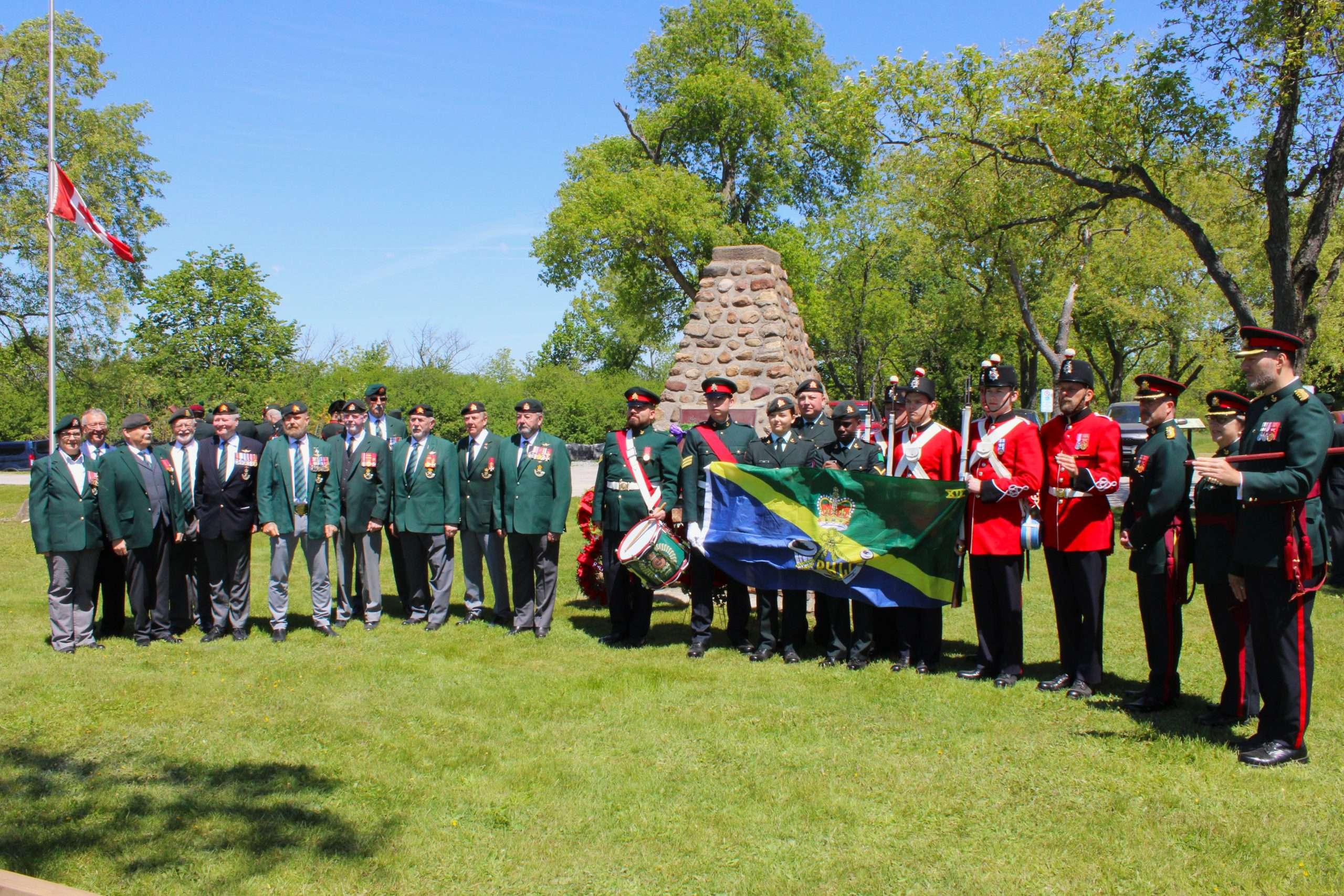
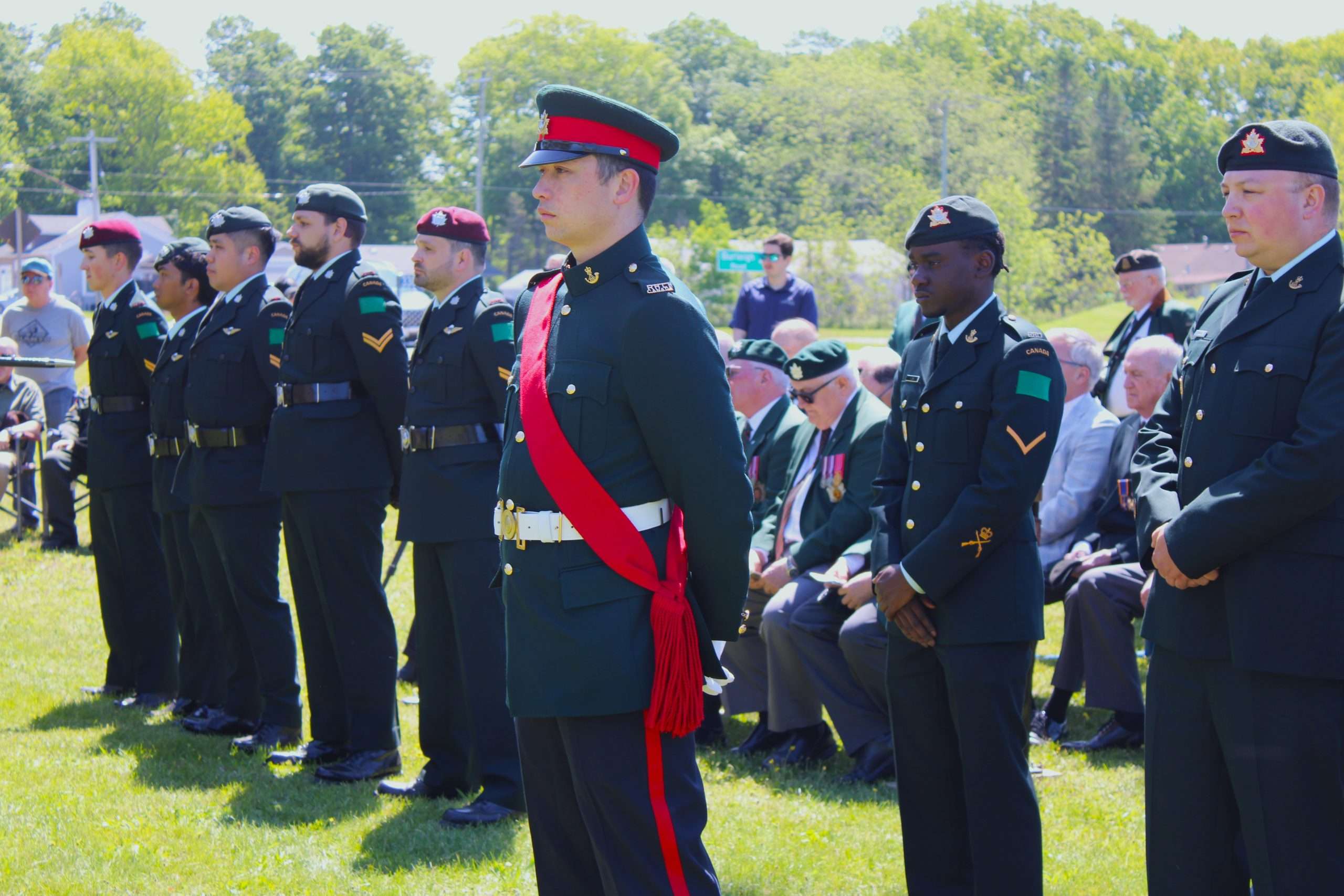
The warning came at the 160th anniversary commemoration of the June 2, 1866 battle at Ridgeway Battlefield Park on Highway 3 in Ridgeway, where military representatives, municipal leaders, veterans and descendants of soldiers gathered to mark the anniversary.
Dr. Peter Vronsky, local historian and author of ‘Ridgeway: The American Fenian Invasion and the 1866 Battle That Made Canada,’ renewed a decade-old campaign to have the battle’s fallen entered into Canada’s Books of Remembrance, arguing the gap in recognition carries new urgency as Canadian sovereignty faces fresh pressure south of the border.
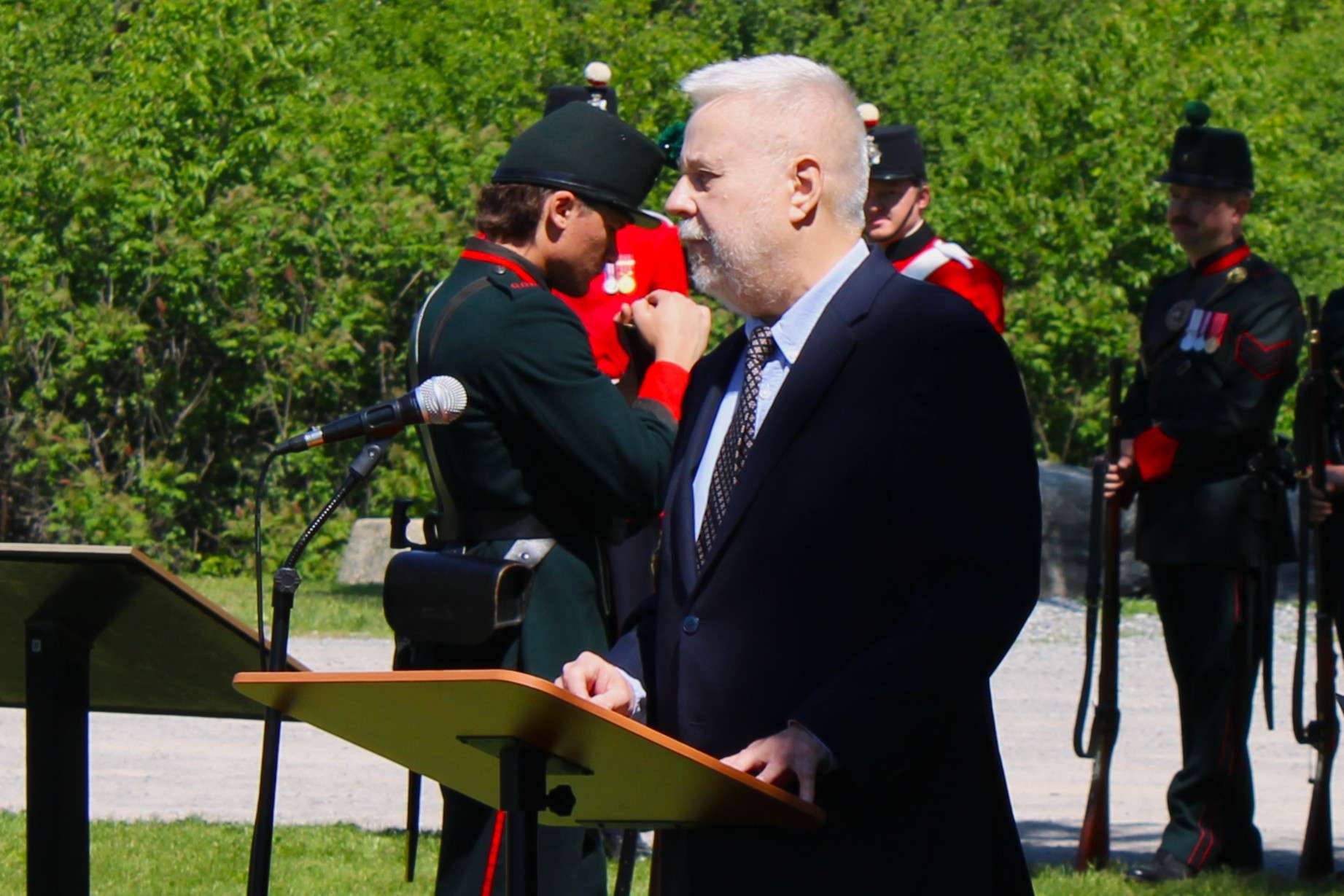 Dr. Peter Vronsky, local historian and author of ‘Ridgeway: The American Fenian Invasion and the 1866 Battle That Made Canada.’ Credit: Andrew Hawlitzky | Fort Erie Radio
“It’s more important now than ever before for us to remember what happened on this battlefield and what happened when our sovereignty is threatened in any way,” said Vronsky. “We fight, even at the cost of our lives if necessary.”
Vronsky said the push for recognition dates to the 150th anniversary in 2016.
“Ten years later, that still has not happened,” said Vronsky.
The Books of Remembrance are official volumes held in the Peace Tower on Parliament Hill listing Canadians who died in service to their country. Ridgeway’s dead have no entry.
 Credit: Andrew Hawlitzky | Fort Erie Radio
He closed with a direct appeal to the crowd.
“Let’s bring these boys home to their brothers and sisters in the regiments that have been serving since that time uninterrupted,” said Vronsky. “One hundred and sixty years is too long.”
The Battle of Ridgeway took place June 2, 1866, when roughly 600 Irish-American fighters known as Fenians crossed the Niagara River from Buffalo and advanced inland. Canadian volunteer militiamen from the Queen’s Own Rifles and the 13th Battalion engaged them on the Limestone Ridge outside Ridgeway.
A confused order to form a cavalry square broke the Canadian line. The Fenians drove the Canadians back to Ridgeway before withdrawing to Fort Erie and recrossing into the United States. Historians and military scholars describe it as the first modern battle fought on Canadian soil by Canadian soldiers defending against an armed invasion.
 Credit: Andrew Hawlitzky | Fort Erie Radio
Seventeen soldiers are named on the battlefield memorial: nine Queen’s Own Rifles killed in action or died of wounds, four Queen’s Own Rifles who died of disease, three soldiers from the 13th Battalion who died of disease, and one British regular, Corporal William Carrington of the 47th Regiment of Foot, who died en route.
The defeat galvanized the Confederation movement. Canada became a country the following year.
Mayor Wayne Redekop used the anniversary to announce a new memorial bench installed at the battlefield.
 Credit: Andrew Hawlitzky | Fort Erie Radio
“That bench offers a place for quiet reflection,” said Redekop. “A place where visitors can sit, take in the landscape, and consider both the events of that day and what they mean to us today.”
Anyone wishing to support the recognition campaign can contact their member of parliament directly through the Parliament of Canada website at parl.gc.ca.

Garrison Little Theatre presents ‘Mom’s Gift’ at Crystal Ridge this April

Ridgeway Lions serve the community with 23rd holiday dinner
Police out as Niagara students ditch class for Beach Day
About The Author

Andrew Hawlitzky
Andrew is a Niagara community journalist who has covered everything from local politics to annual festivals and breaking news. He works to make local news a platform where community voices lead the conversation. "If you don't like the news, go out and make some!"

Good grief….this is so looooong overdo already its shameful